TMJ Treatment in Newton, NJ
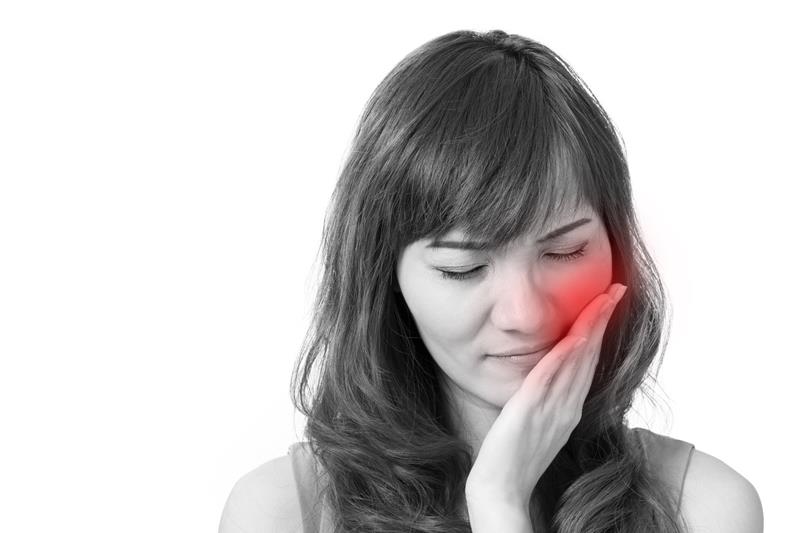
TMJ dysfunction — pain and problems with the temporomandibular joint — can cause significant discomfort in the jaw, face, head, and neck. At Kittatinny Chiropractic and Wellness Center, we take a whole-body approach to treating TMJ disorders by addressing the joint mechanics, surrounding muscle tension, and cervical spine function that all influence jaw health. If you’re dealing with jaw pain, clicking, or related headaches in Newton, NJ , call (973) 300-5667 to schedule your evaluation today.
Understanding TMJ and TMD
The temporomandibular joint (TMJ) connects the lower jaw (mandible) to the temporal bones of the skull, just in front of each ear. This unique joint allows the jaw to move forward, backward, and side to side — enabling you to chew, speak, sing, yawn, and perform all the functions of daily life that require jaw movement. The TMJ is one of the most frequently used joints in the body and is subject to considerable mechanical stress throughout the day.
Problems affecting the muscles, ligaments, discs, bones, or the joint itself are classified as temporomandibular disorders (TMD). These disorders cause the jaw joint to become misaligned, inflamed, or restricted — leading to pain, clicking or popping sounds, limited jaw opening, and often radiating discomfort into the face, head, neck, and ears. The terms “TMJ” and “TMD” are often used interchangeably, though technically TMJ refers to the joint itself while TMD refers to the disorder. Regardless of terminology, effective treatment requires identifying and addressing the specific source of dysfunction.
The Connection Between TMJ and the Cervical Spine
One of the most important aspects of TMJ treatment that is often overlooked is the relationship between jaw function and the cervical spine. The muscles and nerves of the jaw and neck are intimately connected, and dysfunction in one area frequently affects the other. Cervical misalignment can alter the position and mechanics of the jaw, contributing to TMD. Conversely, chronic jaw clenching and teeth grinding — common in people with TMD — creates significant tension in the neck and upper back that can cause or worsen headaches and neck pain. At Kittatinny Chiropractic and Wellness Center, our evaluation of TMJ patients always includes a thorough assessment of the cervical spine.
Chiropractic Treatment for TMJ Disorders
Our treatment approach for TMJ at Kittatinny Chiropractic and Wellness Center addresses all relevant contributing factors. Chiropractic adjustments to the cervical spine and jaw joint restore proper alignment and reduce nerve irritation. Massage therapy releases the tight muscles of the jaw, face, and neck that perpetuate TMD symptoms. Ultrasound therapy reduces joint inflammation and improves tissue mobility in and around the TMJ. Corrective exercises help retrain jaw movement patterns and reduce the muscle imbalances that contribute to joint dysfunction. Lifestyle advice on sleep position, stress management, and habits like jaw clenching rounds out our comprehensive approach. Call (973) 300-5667 to find out how we can help you find lasting TMJ relief.
Frequently Asked Questions About TMJ
What are the symptoms of TMJ disorder?
Common TMJ disorder symptoms include jaw pain or tenderness, clicking, popping, or grating sounds when opening or closing the mouth, difficulty or discomfort when chewing, limited ability to open the mouth wide, jaw locking, facial pain, ear pain, and headaches. Many patients with TMD also experience neck pain and upper back tension as secondary symptoms.
Can a chiropractor help with TMJ?
Yes. Chiropractors are trained to assess and treat TMJ disorders, particularly those with a musculoskeletal and cervical component. By adjusting the jaw joint and cervical spine, releasing tight surrounding muscles, and addressing contributing postural and lifestyle factors, chiropractic care provides effective relief for many TMD patients.
What causes TMJ disorder?
TMD can be caused by jaw injury, teeth grinding or clenching (bruxism), arthritis in the jaw joint, displacement of the disc within the joint, stress (which increases muscle tension in the jaw and face), poor posture (particularly forward head posture), and cervical spine misalignment. Often, multiple factors combine to produce the disorder.
Is jaw clicking always a sign of TMJ disorder?
Not always — many people have jaw clicking without pain or functional limitation, which may not require treatment. However, when clicking is accompanied by pain, restricted opening, or other symptoms, it typically indicates underlying dysfunction that should be evaluated. A chiropractor at Kittatinny Chiropractic and Wellness Center can assess whether your jaw clicking is clinically significant.
Can stress cause TMJ problems?
Yes. Stress is one of the most common contributors to TMD. Chronic stress increases muscle tension throughout the body, including in the muscles of the jaw and face. Many people also clench or grind their teeth unconsciously when stressed, placing repetitive mechanical stress on the TMJ. Stress management strategies are an important component of comprehensive TMD treatment.
Can TMJ cause ear pain and ringing?
Yes. The TMJ is located directly adjacent to the ear canal, and inflammation or dysfunction in the joint can cause pain, pressure, fullness, and even tinnitus (ringing) in the ear. These symptoms are frequently misattributed to ear infections or other ear problems. If your ear symptoms correlate with jaw movement or jaw pain, TMD should be considered as a potential cause.
How many treatments does it take to resolve TMJ disorder?
This depends on the severity and duration of your condition and the specific structures involved. Many patients experience significant improvement within four to eight weeks of beginning care. Chronic or more complex cases may take longer. Your chiropractor at Kittatinny Chiropractic and Wellness Center will give you a realistic treatment expectation at your initial evaluation.