Spinal Decompression in Newton, NJ
If you’ve been struggling with chronic back pain, disc problems, or radiating leg pain, spinal decompression at Kittatinny Chiropractic and Wellness Center may be the non-surgical solution you’ve been looking for. This gentle, motorized traction therapy works by carefully stretching the spine to relieve pressure on compressed discs and pinched nerves — allowing your body to heal from the inside out. Call (973) 300-5667 to find out if spinal decompression is right for you.
What Is Spinal Decompression?
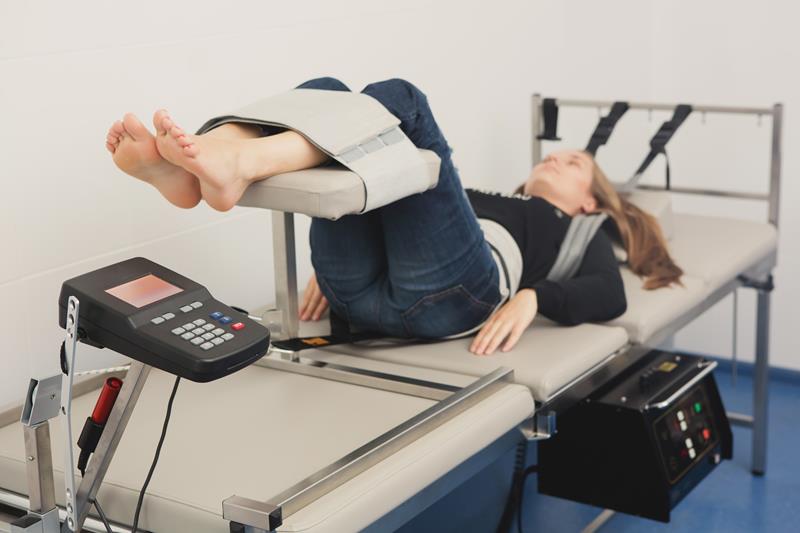
Spinal decompression is a non-invasive, mechanical procedure performed right here in our Newton, NJ office. It involves gently and precisely stretching the spine using a specialized traction table, which creates a negative pressure within the spinal discs — the soft, cushion-like structures that sit between your vertebrae and absorb shock. Over time, disc degeneration, injury, or repetitive strain can cause these discs to bulge, herniate, or compress, placing painful pressure on the surrounding nerves.
By decompressing the spine, this therapy allows bulging disc material to retract back toward the center of the disc, relieving pressure on the nerves that pass through the spinal column. At the same time, the negative pressure created during the stretching process draws water, oxygen, and essential nutrients back into the disc — replenishing the disc’s natural hydration and supporting its ability to heal naturally. This two-pronged effect makes spinal decompression one of the most effective non-surgical options available for serious disc-related conditions.
Conditions Treated with Spinal Decompression
Spinal decompression is particularly well-suited for patients dealing with disc-related pain that has not responded to more conservative measures. At Kittatinny Chiropractic and Wellness Center, we use spinal decompression to treat chronic back pain, herniated and bulging discs, sciatica, degenerative disc disease, spinal stenosis, and pinched nerves. Patients with neck pain from cervical disc problems and those who have experienced work injuries or auto injuries involving the spine are also excellent candidates for this therapy.
What to Expect During a Spinal Decompression Session
Spinal decompression sessions are comfortable and relaxing for most patients. You’ll lie fully clothed on the decompression table while a harness is secured around your hips. The table is then computer-controlled to apply gentle, intermittent traction to your spine over the course of the session, which typically lasts 20 to 30 minutes. The pulling and releasing rhythm is carefully calibrated to maximize disc rehydration and nerve decompression without triggering muscle guarding or discomfort.
Most patients require a series of sessions to achieve optimal results, with the exact number depending on the nature and severity of their condition. Spinal decompression is often combined with chiropractic adjustments, physiotherapy, ultrasound therapy, and corrective exercises to maximize the overall outcome of your care. If you’re ready to explore a non-surgical solution to your back or neck pain in Newton, NJ , call us today at (973) 300-5667.
Frequently Asked Questions About Spinal Decompression
Is spinal decompression the same as regular traction?
While both involve stretching the spine, spinal decompression therapy is more sophisticated than traditional traction. Computerized decompression tables use precise, controlled patterns of pull and release that are specifically designed to create negative intradiscal pressure — something simple traction cannot reliably achieve. This makes spinal decompression significantly more effective for disc-related conditions.
Is spinal decompression painful?
No — most patients find spinal decompression sessions relaxing and comfortable. The pulling sensation is gentle and intermittent, and the table is designed to prevent the muscle spasms that traditional traction sometimes causes. Some patients with very acute pain may feel mild discomfort initially, which usually improves within the first few sessions.
How many spinal decompression sessions will I need?
A typical course of spinal decompression therapy involves between 12 and 20 sessions over four to six weeks, though this varies depending on your condition and how you respond. Your chiropractor at Kittatinny Chiropractic and Wellness Center will assess your progress regularly and adjust your treatment plan as needed.
Who is a good candidate for spinal decompression?
Spinal decompression is an excellent option for patients with herniated or bulging discs, degenerative disc disease, sciatica, spinal stenosis, or chronic back and neck pain who want to avoid surgery. It is not appropriate for patients who are pregnant, have severe osteoporosis, metal implants in the spine, or certain types of spinal fractures. A thorough evaluation will determine if this therapy is right for you.
Can spinal decompression prevent back surgery?
For many patients, yes. Spinal decompression is often used as a conservative alternative to surgery for disc-related conditions. Many patients who were told they needed surgery have found lasting relief through a series of spinal decompression sessions combined with other chiropractic therapies. However, results vary and we will always give you an honest assessment of your options.
How does spinal decompression help discs heal?
The negative pressure created during spinal decompression draws water, oxygen, and nutrients back into the spinal disc, which naturally loses hydration and nutrition as it degenerates or is injured. This rehydration supports the disc’s natural healing ability and helps restore its height and cushioning function. Over multiple sessions, this process can significantly reduce disc-related nerve pressure and pain.
Can I combine spinal decompression with other chiropractic treatments?
Yes — in fact, spinal decompression works best as part of a comprehensive care plan. At Kittatinny Chiropractic and Wellness Center, we commonly pair it with chiropractic adjustments, physiotherapy, ultrasound therapy, and corrective exercises. This integrated approach addresses the full scope of your condition and produces faster, more lasting results than any single therapy alone.