
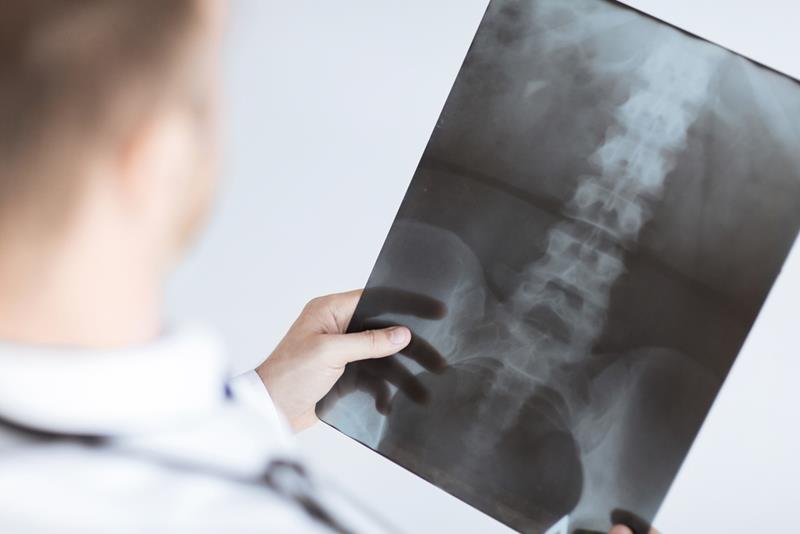
Chiropractic X-Rays in Newton, NJ
At Kittatinny Chiropractic and Wellness Center, we believe that accurate diagnosis is the foundation of effective care. Our on-site X-ray capability allows our chiropractors to get a precise, detailed view of your spine and musculoskeletal system — right here in our Newton, NJ office. This helps us identify exactly what is happening in your spine, rule out serious pathology, and design a treatment plan that is targeted, safe, and effective. Call (973) 300-5667 to schedule your evaluation today.
The Role of Diagnostics in Chiropractic Care
One of the most important elements of high-quality chiropractic care is thorough diagnostics. Chiropractic radiology — the use of X-rays in a chiropractic setting — is a valuable tool that serves two primary purposes: ruling out pathology such as fractures, tumors, or serious structural abnormalities, and providing an additional layer of information that helps the chiropractor determine exactly where and how to adjust the spine. Without imaging, a chiropractor is working from physical examination findings alone. With X-rays, the picture becomes far more complete and precise.
At Kittatinny Chiropractic and Wellness Center in Newton, NJ , our chiropractors rely on a comprehensive diagnostic approach that integrates physical examination findings, orthopedic and neurological testing, patient history, and imaging when appropriate. This thorough process ensures that your care plan is based on a complete understanding of your unique musculoskeletal situation — not guesswork. Patients dealing with back pain, neck pain, degenerative disc disease, sciatica, or whiplash often benefit most from having imaging as part of their initial evaluation.
What Chiropractic X-Rays Reveal
Chiropractic X-rays provide detailed views of the bony structures of the spine, including the vertebrae, disc spaces, and joint alignment. They allow our chiropractors to identify spinal curvature abnormalities such as scoliosis or loss of normal cervical lordosis, measure disc space narrowing that indicates degeneration, identify areas of vertebral misalignment or instability, and detect any bony pathology that may contraindicate certain treatments. This information is invaluable for planning a safe and effective course of care.
X-rays are especially useful for patients with a history of trauma — such as those who have been in auto accidents or experienced work injuries — as well as older patients in whom degenerative changes are more likely to be present. By identifying these findings before beginning treatment, we can tailor our approach to ensure maximum safety and effectiveness for every patient.
A Comprehensive Approach to Your Care
Having on-site X-ray capability at Kittatinny Chiropractic and Wellness Center means you don’t need to travel to a separate imaging facility before beginning care. We can take the images we need, review them with you in the same visit, and begin developing your personalized treatment plan immediately. This streamlined approach saves you time and allows us to get you started on the path to relief as quickly as possible.
X-rays are just one component of our comprehensive diagnostic process, which also includes spinal screenings, range-of-motion testing, postural analysis, and a detailed health history review. Together, these tools give us the most accurate and complete picture of your spinal health and allow us to provide the highest standard of chiropractic care. Call (973) 300-5667 or request an appointment online to schedule your evaluation at Kittatinny Chiropractic and Wellness Center today.
Frequently Asked Questions About Chiropractic X-Rays
Why would a chiropractor need to take X-rays?
X-rays help chiropractors see the precise alignment of your vertebrae, identify disc space narrowing, detect structural abnormalities, and rule out serious pathology such as fractures or tumors before beginning treatment. They provide critical information that makes your care plan safer, more targeted, and more effective.
Are chiropractic X-rays safe?
Yes. Modern chiropractic X-rays use low doses of radiation and are considered very safe for most adults. Your chiropractor at Kittatinny Chiropractic and Wellness Center will only recommend X-rays when they are clinically indicated — meaning when the diagnostic information they provide will meaningfully improve the quality of your care. X-rays are not taken routinely on every patient.
Does Kittatinny Chiropractic and Wellness Center have X-ray equipment on-site?
Yes. We have on-site X-ray capability at our Newton, NJ office, which means you can have imaging taken and reviewed during the same appointment. This eliminates the need for a separate trip to an imaging facility and allows us to begin developing your care plan right away.
Will I always need X-rays before starting chiropractic care?
Not necessarily. X-rays are recommended based on clinical judgment — factors such as the nature of your complaint, your age, your health history, and whether trauma is involved all influence whether imaging is warranted. Your chiropractor will discuss whether X-rays are appropriate for your situation at your initial consultation.
What will my X-rays show?
Chiropractic X-rays reveal the alignment and condition of your vertebrae, disc spaces, and spinal curvature. They can show areas of misalignment, signs of degenerative changes, disc space narrowing, spinal curvature abnormalities, and any bony abnormalities that need to be accounted for in your treatment plan.
Can X-rays detect disc herniations or soft tissue injuries?
Standard X-rays show bone and disc space but do not show soft tissue structures such as discs, nerves, or muscles in detail. If soft tissue imaging is needed — for example, to confirm a disc herniation — an MRI is the preferred imaging modality. Your chiropractor will advise if a referral for additional imaging is warranted based on your clinical presentation.
How do X-ray findings affect my treatment plan?
X-ray findings directly inform how your chiropractor approaches your care. For example, significant disc degeneration may indicate that spinal decompression is a priority. Areas of instability may call for a more conservative adjustment technique. Ruling out fractures or pathology ensures that all planned treatments are safe. In short, X-rays help ensure your care plan is as precise and effective as possible.